Roofs Built for the Long Idaho Haul
Residential roofing in Bonners Ferry for homes showing shingle failure, structural wear, or storm damage
North Star Roofing handles residential roof installation, replacement, and repair in Bonners Ferry, working across asphalt shingle, metal standing seam, and flat-roof systems. The company serves homeowners whose roofs are showing visible failure—missing shingles, interior staining, or sagging deck areas—and whose situations require a contractor who understands material differences rather than applying one solution to every job. Owner training began in high school, and that depth of hands-on experience now drives how each project is scoped, from the first inspection through final installation.
Every residential project begins with an attic inspection before any surface-level recommendation is made. What the attic reveals—insulation compression, moisture tracking, or decking deterioration—often changes the material recommendation entirely, and skipping that step is one of the most common ways contractors undersell necessary work or oversell unnecessary repairs. North Star Roofing walks through material warranty distinctions with each homeowner, separating what the manufacturer covers from what the labor warranty actually protects, so there are no surprises when a claim situation arises.
Schedule an on-site assessment to review your roof's current condition and get a clear material recommendation based on your home's specific structure..
How the Right Material Choice Changes Everything
Material selection on a residential roof is not a cosmetic decision—it determines load capacity, installation sequencing, and long-term maintenance requirements. Asphalt shingle remains the most flexible option for phased installation, including lighter-snowfall periods when installation is still feasible without compromising adhesion. Metal standing seam requires precision bending during fabrication; when that step is rushed or equipment is inadequate, the panels arrive on the roof already compromised. North Star Roofing owns the bending equipment and manages that step in-house to prevent material waste and fit problems.
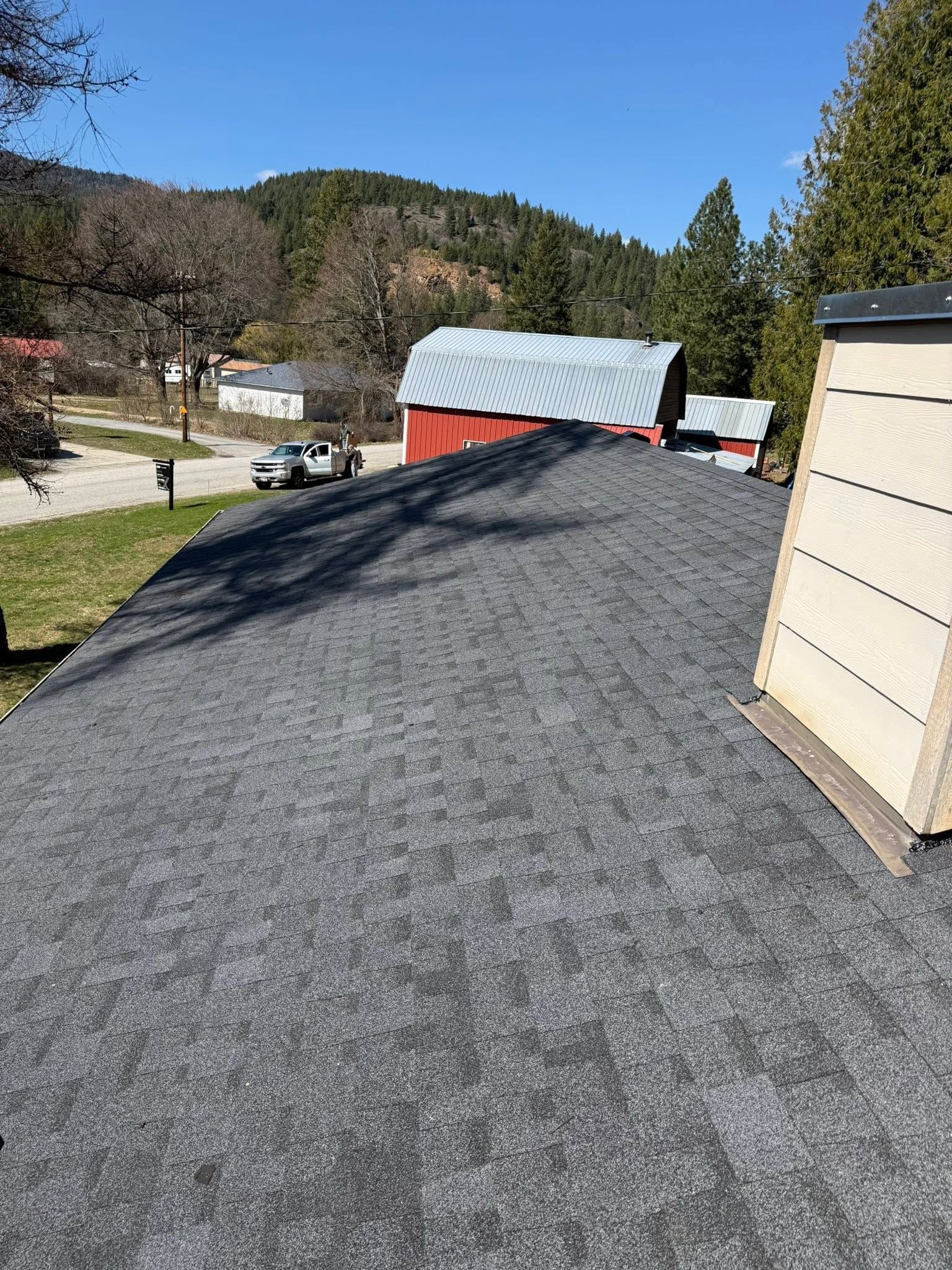
After installation, homeowners notice specific, visible changes: clean ridge lines without lifted or curling material, consistent shingle coursing without gaps at valleys, and an attic that no longer shows daylight intrusion or moisture staining on the underside of the decking. Flat-roof installations present differently—the absence of standing water after rain is the clearest indicator that drainage slope and membrane adhesion were executed correctly.
North Star Roofing also handles insurance claim documentation for residential roofing projects, which matters when hail or wind damage is the trigger. The documentation process requires accurate damage categorization that aligns with adjuster expectations, and that is a separate skill from installation work itself—one that affects how much of the project cost the claim actually covers.
What Property Owners Ask About the Work
The following questions address how residential roofing projects are scoped, sequenced, and evaluated in Bonners Ferry, where older residential properties and varied roof geometries affect how each job is approached.
What does an attic inspection reveal that a surface inspection misses?
The underside of the decking shows moisture tracking, insulation damage, and early rot that are invisible from the roof surface; in Bonners Ferry homes where ventilation was undersized during original construction, those conditions directly affect which roofing material will perform correctly over time. Skipping the attic inspection leads to material recommendations that do not account for the actual structural condition beneath the sheathing.
How does material selection change based on roof pitch and structure?
Low-slope residential roofs require membrane or modified flat-roof systems rather than standard shingles, because shingles below a minimum pitch cannot shed water fast enough to stay within their design parameters. Steeper pitches with complex valleys require additional underlayment detailing at each transition to prevent lateral water migration.
What is the difference between a material warranty and a labor warranty?
A material warranty covers manufacturer defects in the shingle or panel itself and is issued by the product company. A labor warranty covers installation workmanship and is issued by the contractor; the two documents have separate claim processes, different coverage periods, and different exclusions that homeowners should review before signing off on any completed project.
When is a residential roof repair a reasonable fix versus a sign that replacement is necessary?
Repair makes sense when damage is isolated to a small area and the surrounding material is structurally sound with significant remaining life. When an inspection reveals granule loss across more than a third of the surface, decking soft spots in multiple locations, or flashing failure at multiple penetrations, replacement addresses the actual condition rather than deferring it.
How does shingle installation proceed during lower-snowfall periods in Bonners Ferry?
Asphalt shingles require a minimum temperature for the adhesive strip to seal properly, and installation timing accounts for that. During lighter-snowfall stretches, installation can proceed on cleared surfaces when daytime temperatures allow the shingle to seat correctly—working around that constraint is a standard part of winter scheduling for residential projects in this region.
North Star Roofing works through the full scope of residential roofing in Bonners Ferry, from initial attic inspection through material selection and final installation. To begin a project evaluation or discuss a specific roof condition, call (208) 304-6980 and arrange a time for an on-site review.