
Metal Panels That Stay Sealed Under Pressure
Standing seam roofing in Bonners Ferry for residential and commercial properties where panel alignment and seam integrity are non-negotiablefailure create visible structural problems
Panel misalignment and seam separation are the failure points that define standing seam roofing problems. North Star Roofing installs standing seam metal roofs for residential and commercial properties in Bonners Ferry, with a process built around on-site metal bending and fastening precision that pre-fabricated installations cannot replicate. The difference between a standing seam roof that performs for decades and one that begins leaking at the seams often comes down to whether the metal was shaped to match the actual roof before it went on the deck.
Standing seam installation requires metal to be bent on-site to match the specific dimensions of each roof section—not bent to a standard profile off-site and delivered as finished panels that may or may not conform correctly to the structure. The owner of North Star Roofing manages metal bending in-house, which allows for material adjustments that eliminate the gaps and misalignments that occur when pre-bent panels are forced to fit a roof they were not shaped for. Fastening, seam sealing, and flashing integrity each follow the bending step, and each requires different checks depending on the panel profile being installed. A full attic inspection is standard during assessment, since deck condition directly affects how panels sit and seal.
Schedule a consultation to review your roof’s deck condition and panel options before installation begins.
How On-Site Bending Affects Standing Seam Performance
One of the most significant variables in standing seam roofing is whether the metal is bent to match actual roof dimensions or shaped to a pre-fabricated profile and adjusted on the deck. Pre-bent material that does not match the roof’s exact measurements creates gaps at seams and transitions—gaps that may not be immediately visible but become water entry points over time. North Star Roofing addresses this by bending metal on-site to measurements taken during assessment, which is how seam alignment is maintained from ridge to eave.
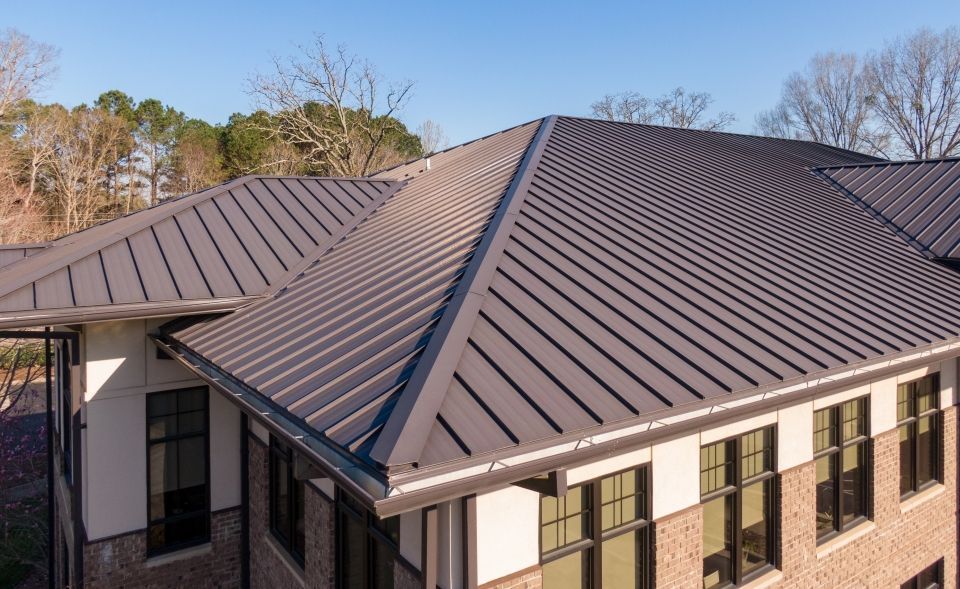
After installation, a properly installed standing seam roof shows consistent seam height and spacing across the entire panel field, with no lifted or uneven edges at transitions. Flashings at valleys, rakes, and penetrations lie flush against the panel surface without visible gaps or exposed fasteners at the seam line. Roof sections that previously showed water intrusion at panel joints stop showing those patterns when seams are properly sealed and the material has been correctly formed.
Bonners Ferry has a mix of residential properties and community buildings—including churches and commercial structures—where standing seam is chosen specifically for its concealed fastener profile and reduced maintenance requirements. On those buildings, correct metal bending at installation is what allows the roof to perform without requiring ongoing seam attention.
What to Know Before Standing Seam Installation
Property owners choosing standing seam for the first time often have questions about how the process differs from other metal roofing approaches and what to look for during and after installation.
What makes standing seam different from other metal roofing profiles?
Standing seam panels interlock at raised seams rather than using exposed fasteners, which means the fastening hardware is hidden inside the panel joint and not exposed to the elements.
How does on-site metal bending affect the finished roof?
Metal bent to the actual dimensions of the roof produces consistent seam spacing and panel alignment; material bent to standard profiles off-site often requires adjustment on the deck, which introduces stress points at the bends.
What is checked during a flashing inspection on a standing seam roof?
Flashings are verified at valleys, rakes, penetrations, and ridge caps to confirm they lie flush against the panel surface without exposed gaps at transitions.
How does deck condition affect standing seam installation in Bonners Ferry?
Deck sections that are soft, warped, or unevenly spaced cause panels to sit unevenly, which affects seam alignment; deck repairs or reinforcement are addressed before panels are laid.
What should a standing seam roof look like once installation is complete?
Panel seams should be consistent in height and spacing from ridge to eave, transitions at flashings should be flush, and no exposed fasteners should be visible in the panel field.
North Star Roofing handles standing seam installation from on-site bending through final seam sealing and flashing inspection. Arrange an on-site assessment to review the specific panel requirements for your Bonners Ferry property.